Interstate Checklist 2025
Moving in Alaska — strategy, safety, and step‑by‑step planning tailored to cold climates, long distances, and short daylight windows.
Moving in Alaska — strategy, safety, and step‑by‑step planning tailored to cold climates, long distances, and short daylight windows.
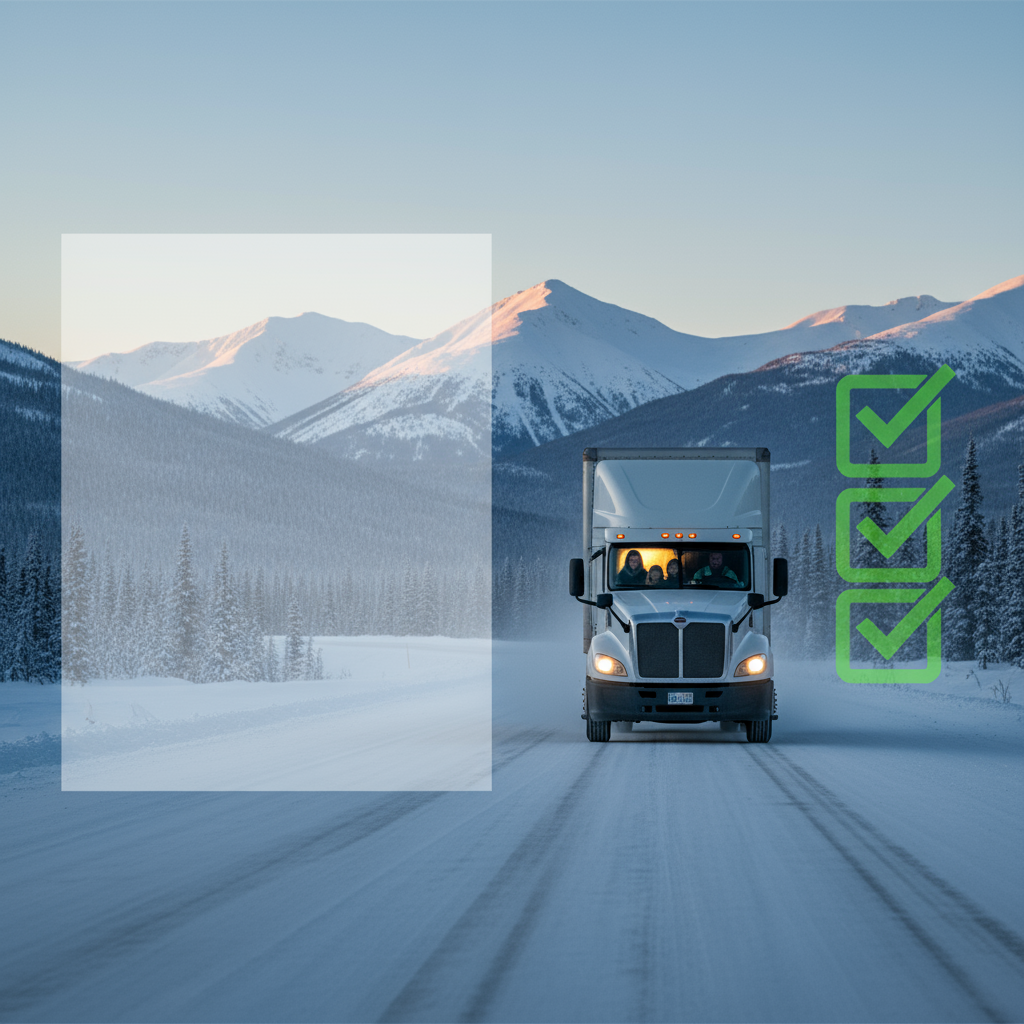
Relocating in Alaska benefits from an expanded timeline of roughly 90–120 days, plus flexible buffers whenever departure or arrival could collide with early storms, ferry shifts, or late‑season ice; planning early secures equipment, compares self‑move versus partial service, and builds a cold‑weather kit without last‑minute stress.
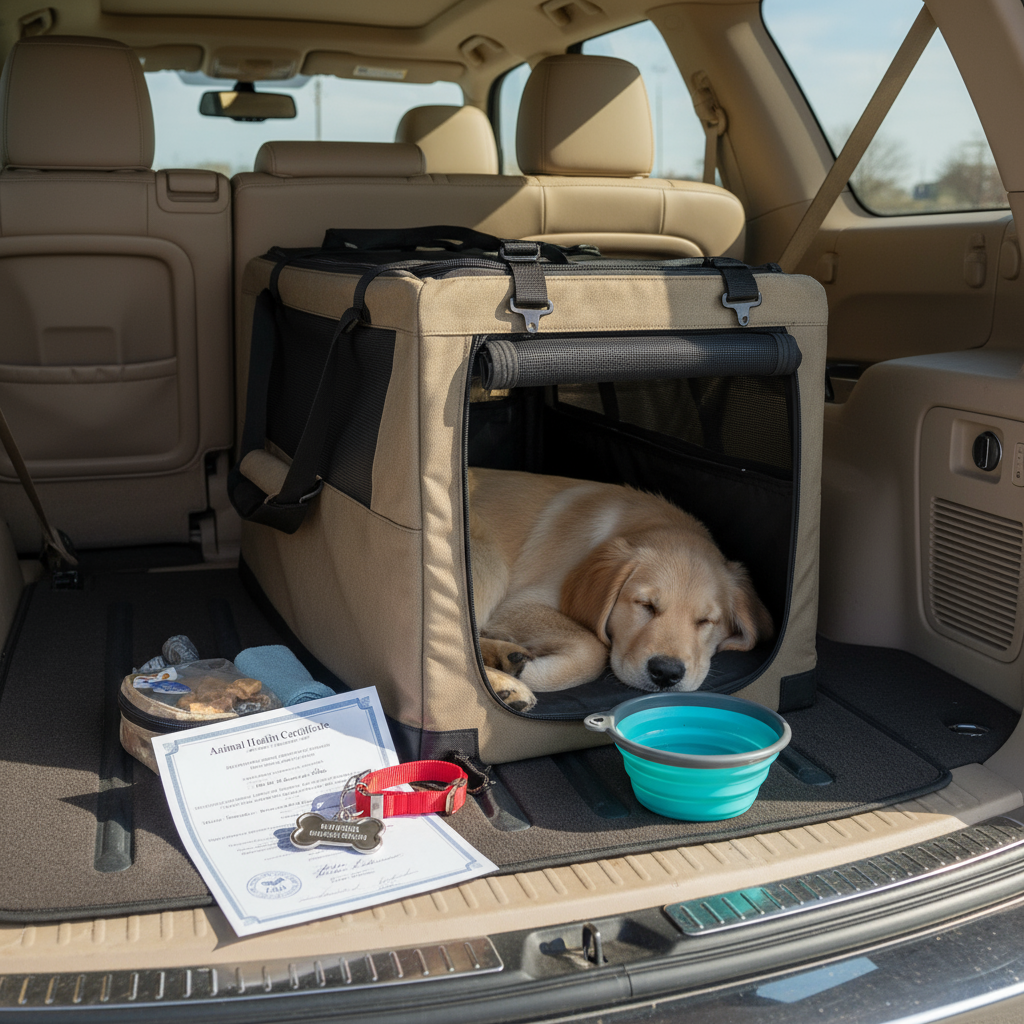
Divide preparations across documentation, logistics, and environment: collect IDs, titles, medical and school records, pet vaccination proofs, and any animal health certificates; book movers or rentals with clear weather clauses; and treat daylight, traction, visibility, and wildlife as daily variables that shape safe pacing.
Choosing the right moving company in Anchorage is crucial for a seamless and stress-free relocation, especially considering the unique climate and logistics involved in Alaska. Many residents begin their search with local firms that combine experience in navigating snowy streets and the complexities of Alaska’s urban infrastructure. An established Anchorage mover is typically well-versed in strategies for loading and unloading during limited daylight hours, and brings specialized equipment for handling fragile goods and navigating slippery walkways. Beyond technical expertise, customer feedback and public trust play an outsized role in making the final decision. By reviewing independent resources like Anchorage Moving Company on Trustpilot, new arrivals and longtime Alaskans alike can learn from verified clients about service reliability, staff professionalism, and responsiveness in the face of weather-related disruptions. Highly-rated movers in Anchorage tend to provide transparent price quotes, detailed inventories, and flexible scheduling—factors that are vital in a region where weather may shift plans overnight. In fact, local moving teams frequently offer winter packing tips and emergency kits, which can make the move not just safer, but also faster and less physically demanding for the entire family. For interstate transitions into or out of Anchorage, specialists understand the importance of coordinating storage, overnight stops, and documentation particulars—from vehicle registration details to school and pet records. This thorough approach spares relocating households the headaches of last-minute paperwork or delayed setups, while allowing each room to be settled quickly upon arrival. Trustworthy Anchorage companies also recognize that communication is key: they keep clients updated about potential delays, maintain clear channels for service feedback, and provide a single point of contact for answers throughout the process. When researching options, consider firms with a robust history of winter moves, proven customer reviews, and accreditation from trusted rating platforms. With proper vetting and open communication, relocating with the help of an experienced Anchorage moving service virtually guarantees a smoother transition—one that stands up to Alaska’s weather and delivers peace of mind the moment you arrive at your new doorstep.
Self‑moves maximize control of routing, timing, and packing style while cutting direct costs, but they also transfer winter driving risk and physical workload to the household; the approach excels when staging is possible on both ends and the team is comfortable with snow, ice, and longer, lightly serviced stretches.
Partial‑service and hybrid models trade some control for professional packing, winter‑rated equipment, and schedule buffers that withstand storms; for example, many Alaskan households consider providers like Independence Moving and Storage in Alaska for tailored packing, transport, and storage that fit remote routes and short daylight windows.
| Scenario | Advantages | Challenges |
|---|---|---|
| Self‑Move | Lower costs, granular control, flexible staging that adapts to weather windows. | Higher physical load, winter driving exposure, fewer built‑in delay protections. |
| Partial Service | Pro packing/transport, better protection for valuables, reduced strain on the team. | Higher price, fixed appointments, limited peak‑season availability. |
| Hybrid | Targeted pro help for fragile/heavy items with personal control elsewhere. | More coordination and clarity needed around liability and claims boundaries. |
Conditions can pivot from wet to sheet‑ice within hours, so visibility, traction, and fatigue management drive scheduling decisions more than the clock; refuel early where services thin, load heavy items low and forward, and avoid top‑heavy stacks that compromise control during evasive maneuvers or hard braking.
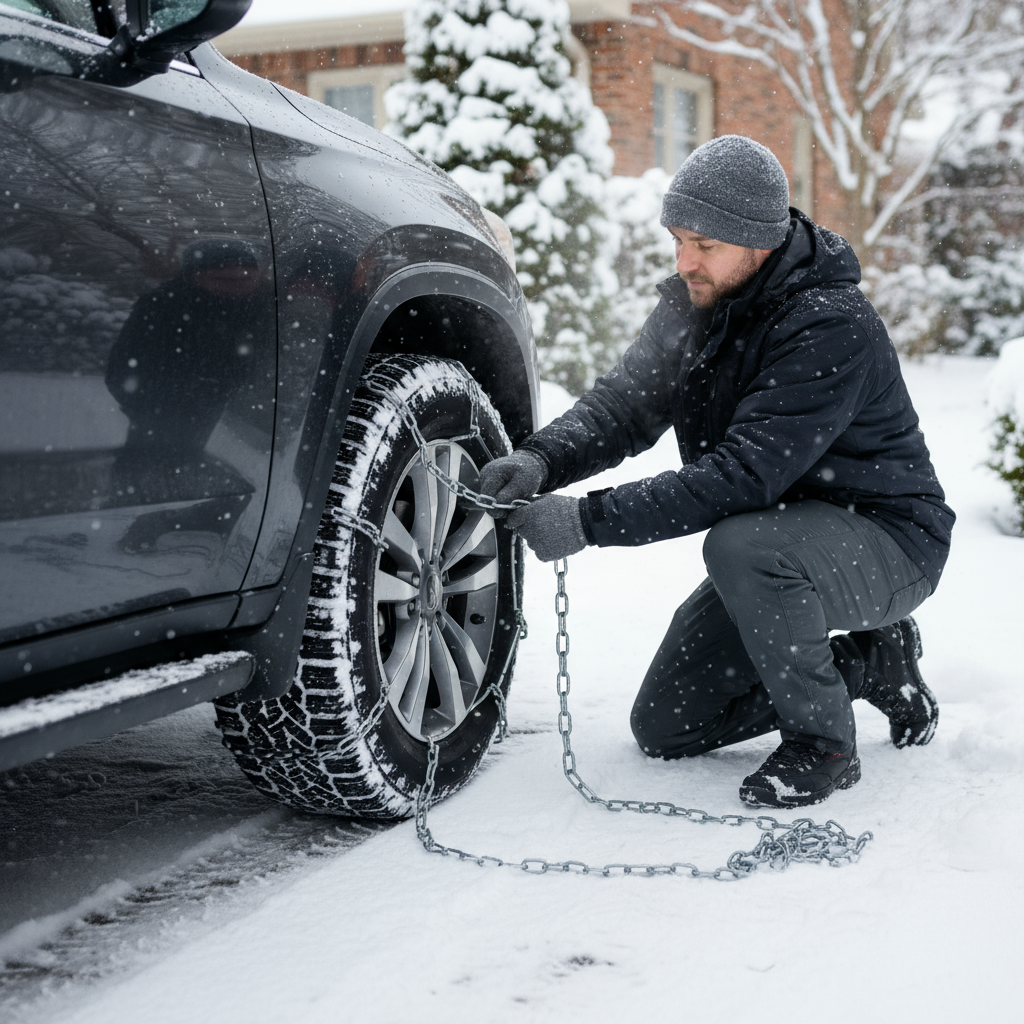
Vehicle readiness reduces uncertainty: quality winter tires at proper pressure, strong battery and charging system, cold‑rated fluids, and— depending on route—chains or an engine block heater; keep scrapers and headlamps reachable, clear the roof to prevent windshield slides, and pause when advisories escalate rather than “pushing through.”
When comparing estimates, align service scope with the inventory and climate realities: kitchens and electronics often benefit from pro packing, while linens and books suit self‑pack; for many routes, a single point of accountability simplifies timing, which is why households often shortlist firms such as Independence Moving and Storage in Alaska that can combine packing, linehaul, and storage under one plan.
Start with a master itinerary naming fuel, food, and sleep options at conservative intervals, plus alternates for storms; adopt a two‑tier packing strategy: a first‑night kit with heat layers, toiletries, lights, and minimal cookware, followed by clearly labeled room boxes with arrows and priority tags that accelerate the first 48 hours after unloading.
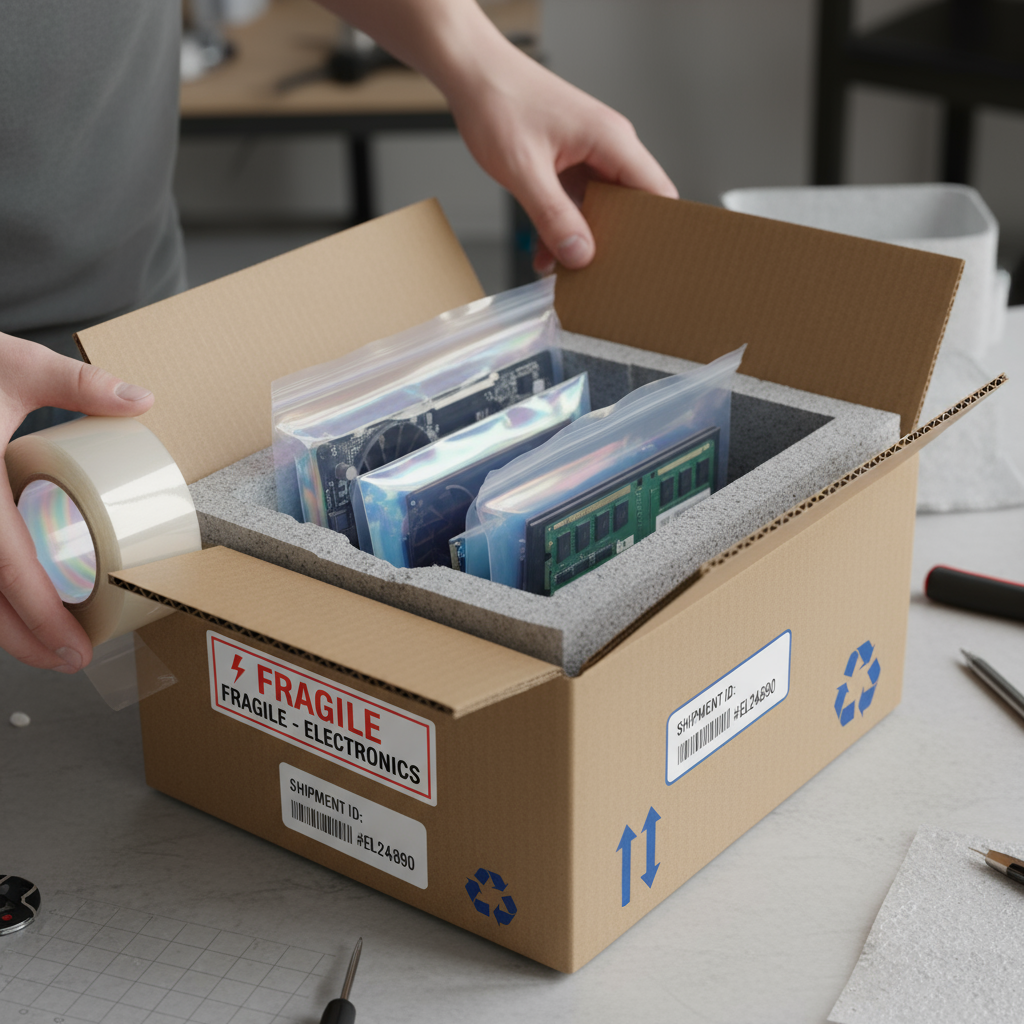
Protect electronics with insulated wraps and allow acclimation before powering on; avoid transporting liquids that freeze and burst—when unavoidable, double‑contain with sealed bags and rigid totes; stabilize the home quickly at arrival with heat, lighting, internet, safe entries, and a calm staging room for kids or pets so the rest of the setup unfolds under control.
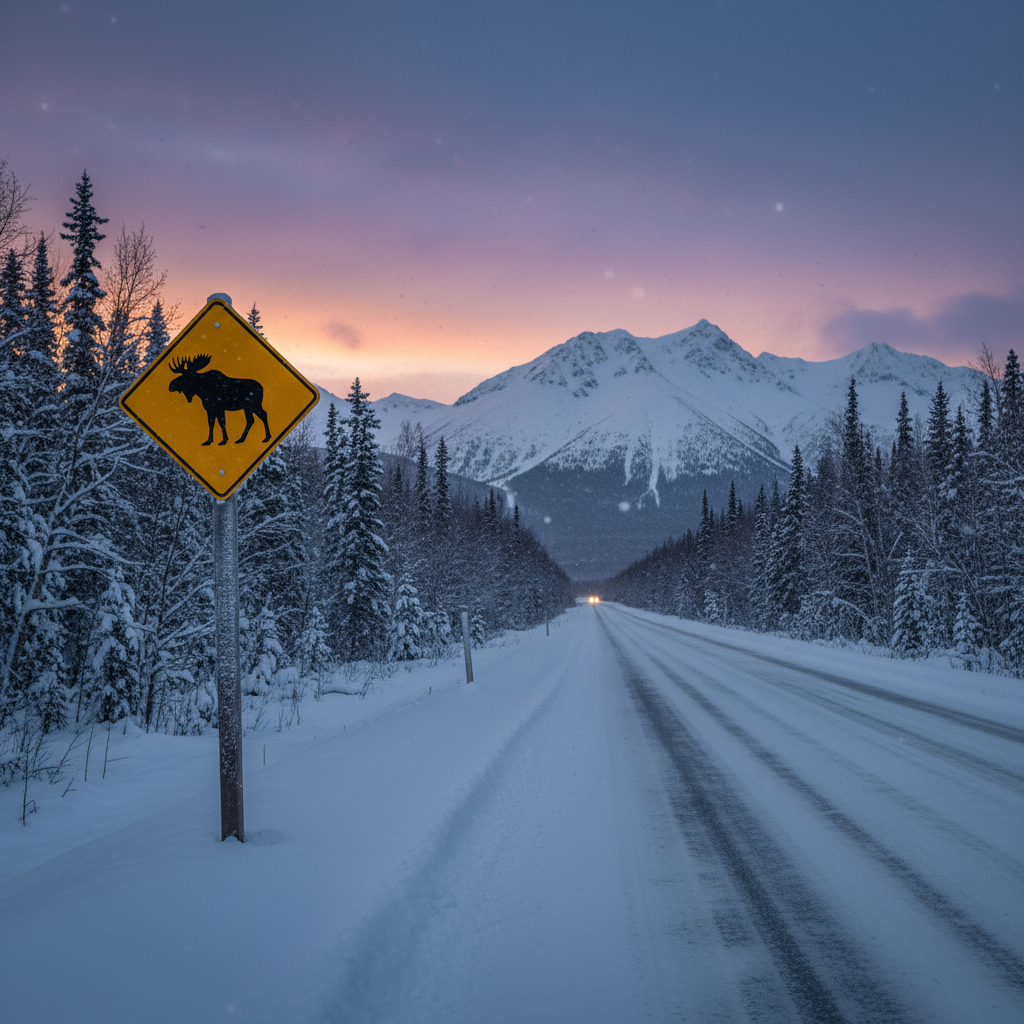
Short winter daylight windows reshape productivity: expect fewer hours of safe loading and driving; set a daily go/no‑go checkpoint well before sunset and refuse tasks that spill into darkness, when ice refreezes and wildlife activity rises; add a one‑day buffer to mountain and coastal legs where winds flip conditions quickly.
Budget extra nights, fuel, and protective materials so brief pauses don’t trigger unsafe choices; when the schedule depends on ferries, keep utilities and handoffs flexible and confirm late‑check‑in procedures; if professional help is preferred, integrated movers such as Independence Moving simplify coordination by bundling packing, transport, and storage timelines around realistic winter windows.
Assemble a cold‑weather kit—thermal blankets, compact shovel, traction boards or sand, tow strap, jump starter, headlamps, high‑energy foods, and insulated water containers—and keep it accessible, not buried; indoors, prioritize detectors, lighting, a basic tool roll, and breathable wraps for instruments and fine furniture to reduce condensation during warm‑up.